Physical Address
304 North Cardinal St.
Dorchester Center, MA 02124
Physical Address
304 North Cardinal St.
Dorchester Center, MA 02124

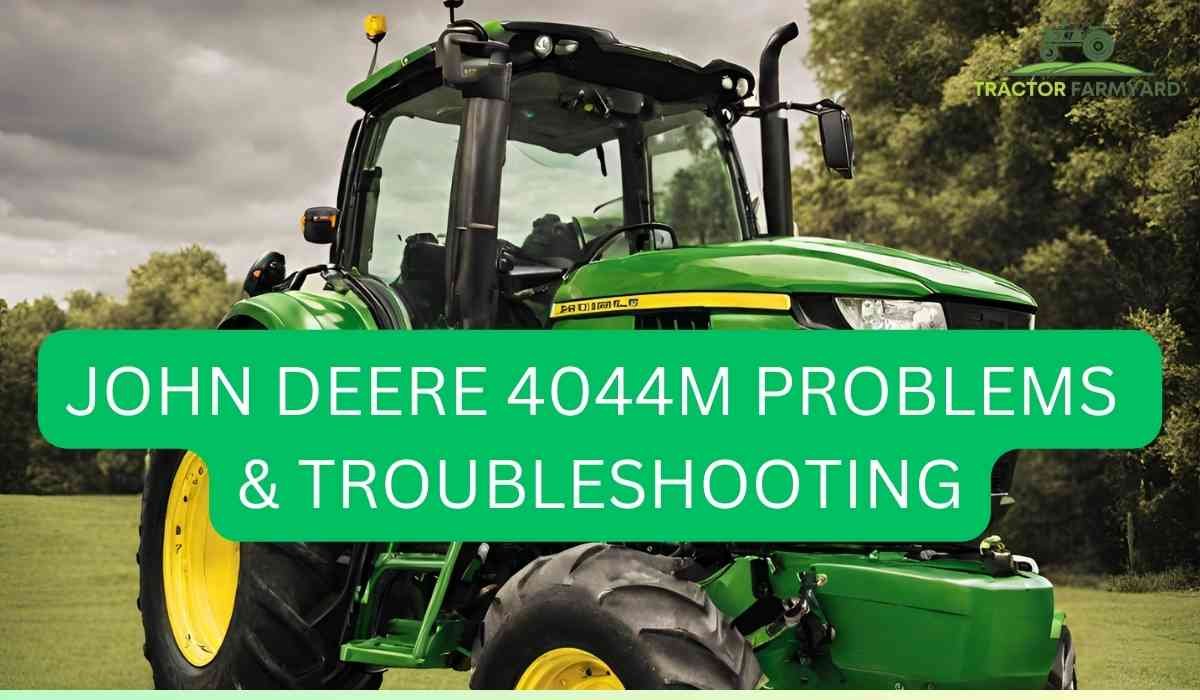
The John Deere 4044M is a popular tractor known for its versatility and power, but like any machine, it can encounter some problems. In this detailed introduction, we will explore some common issues that users may face with the John Deere 4044M tractor. These problems can range from mechanical issues to electrical or operational challenges. Understanding these potential problems can help tractor owners and operators be better prepared to address and prevent them, ensuring the continued reliability and performance of their John Deere 4044M.
The John Deere 4044M tractor, while renowned for its capabilities, can sometimes encounter a range of eight specific problems that users may want to be aware of. These issues can impact the tractor’s performance and functionality, potentially leading to downtime and maintenance costs. In this detailed introduction, we will explore these eight common problems, covering both mechanical and operational concerns. By understanding these potential challenges, tractor owners can take proactive measures to address and mitigate them, ensuring that their John Deere 4044M continues to serve them reliably in various applications.
One common issue that can occur with the John Deere 4044M tractor is engine overheating. It’s important to be able to recognize the signs and symptoms of this problem so you can take action promptly. Some common indicators of engine overheating include:
The temperature gauge on the tractor’s control panel showing higher-than-normal readings.
Seeing steam or smoke coming from the engine compartment.
Noticing unusual or strong smells, like burning coolant or oil.
Experiencing a loss of engine power or performance.
Hearing warning lights or alarms related to engine temperature.
If you notice any of these signs, it’s crucial to address the issue right away to prevent further damage to the engine.
Several factors can lead to engine overheating in the John Deere 4044M tractor. These factors include:
Insufficient coolant levels: Low coolant levels can result in inadequate engine cooling, leading to overheating.
Radiator clogs: Accumulated debris, dirt, or mineral deposits in the radiator can block airflow, reducing its cooling ability.
Faulty fan or fan belt: A malfunctioning cooling fan or a loose or damaged fan belt can hinder air circulation, causing overheating.
Improper maintenance: Neglecting routine maintenance tasks, like changing coolant or cleaning the radiator, can contribute to overheating.
To address engine overheating in the John Deere 4044M, follow these troubleshooting steps:
Checking Coolant Levels and Radiator for Clogs:
Ensure the tractor is turned off and cool before proceeding.
Open the hood and locate the radiator cap.
Carefully remove the cap, being cautious of any built-up pressure.
Check the coolant level. If it’s below the recommended level, add the appropriate coolant mixture as specified in the operator’s manual.
Inspect the radiator for clogs or debris. Use compressed air or a soft brush to clean the radiator fins and remove any obstructions.
Securely close the radiator cap.
Inspecting the Fan and Fan Belt:
A faulty fan or fan belt can hinder proper cooling. Perform these checks:
Inspect the fan blades for damage or bending. Replace the fan if necessary.
Check the tension and condition of the fan belt. It should have the correct tension and be free from wear or damage. Adjust or replace the belt if needed.
Proper Maintenance Practices to Prevent Overheating:
To prevent engine overheating in the future, follow these maintenance practices:
Regularly check and maintain the appropriate coolant levels.
Periodically clean the radiator to remove debris or clogs.
Inspect the cooling fan and fan belt during routine maintenance and replace them if needed.
Adhere to the recommended maintenance schedule outlined in the operator’s manual.
Another issue that John Deere 4044M tractor owners may encounter is hard starting or engine cranking problems. Recognizing the signs of this problem is essential for troubleshooting. Common indicators of hard starting include:
The engine cranking slowly or not turning over at all when attempting to start.
Frequent or prolonged attempts needed to start the engine.
Hearing unusual noises during the starting process, such as grinding or clicking sounds.
The tractor’s lights dimming when trying to start the engine.
Several factors can lead to hard starting or engine cranking issues in the John Deere 4044M:
Weak or discharged battery: A weak or dead battery can result in insufficient power to crank the engine.
Faulty starter motor: A malfunctioning starter motor may not engage or operate properly.
Ignition system problems: Issues with the ignition switch, spark plugs, or ignition coil can affect starting.
Fuel system issues: Insufficient fuel delivery, clogged fuel filters, or air in the fuel system can cause starting problems.
To address hard starting issues:
Checking the Battery:
Ensure the tractor is in the “Off” position and the parking brake is engaged.
Inspect the battery terminals for corrosion or loose connections. Clean and tighten them as needed.
Check the battery voltage using a multimeter. A fully charged battery should read around 12.6 volts. If it’s significantly lower, charge or replace the battery.
Inspecting the Starter Motor:
Confirm that the tractor is safely in neutral and the parking brake is engaged.
Listen for any unusual sounds when attempting to start the engine. If you hear grinding or clicking, it may indicate a faulty starter motor. Replace it if necessary.
Addressing Ignition and Fuel System Issues:
Ensure the tractor’s ignition switch is functioning correctly.
Check the spark plugs and ignition coil for wear or damage. Replace them if needed.
Inspect the fuel system for clogs, leaks, or air bubbles. Address any issues found.
Proper Maintenance Practices to Prevent Hard Starting:
To prevent hard starting problems in the future, follow these maintenance practices:
Regularly check the battery for signs of wear, corrosion, or low voltage. Charge or replace the battery as needed.
Keep the starter motor clean and in good condition.
Perform routine maintenance on the ignition system and fuel system components.
Store the tractor with a charged battery during periods of inactivity.
A common problem that can occur with the John Deere 4044M tractor is hydraulic system leaks. Being able to recognize the signs and symptoms of hydraulic leaks is essential for timely detection. Some common indicators of hydraulic system leaks include:
Visible puddles or drips of hydraulic fluid beneath the tractor.
A noticeable decrease in hydraulic fluid levels in the reservoir.
Difficulty in using hydraulic-powered attachments or implements.
Unusual noises or reduced performance when operating hydraulically controlled equipment.
Several factors can contribute to hydraulic system leaks in the John Deere 4044M:
Damaged hydraulic hoses or fittings: Wear and tear, abrasion, or physical damage can cause hydraulic hoses or fittings to develop leaks.
Faulty seals or gaskets: Worn-out or damaged seals and gaskets within the hydraulic system can lead to fluid leaks.
Loose connections: Improperly tightened hydraulic connections can result in leaks over time.
Overheating: Excessive heat can cause seals and hoses to degrade, increasing the risk of leaks.
To address hydraulic system leaks:
Identifying the Leak:
Safely park the tractor on a level surface, turn off the engine, and engage the parking brake.
Look for visible signs of hydraulic fluid leaks beneath the tractor.
Inspect hydraulic hoses, fittings, seals, and connections for any signs of damage or wear.
Addressing Damaged Components:
If you identify a damaged hydraulic hose or fitting, it may need to be replaced. Consult the operator’s manual for the correct replacement part.
If seals or gaskets are suspected to be the source of the leak, they should be replaced by a qualified technician.
Tighten any loose connections carefully using the appropriate tools.
Preventing Hydraulic Leaks:
To prevent hydraulic system leaks in the future:
Routinely inspect hydraulic components for wear and damage during maintenance.
Store hydraulic hoses away from sharp objects or potential sources of abrasion.
Avoid overloading hydraulic equipment, which can lead to overheating and increased wear on seals and hoses.
Transmission problems can be a concern for John Deere 4044M tractor owners. Recognizing the signs and symptoms of transmission issues is crucial for diagnosing and resolving these problems. Common indicators of transmission problems include:
Difficulty shifting gears or gears slipping while in operation.
Unusual noises, such as grinding, whining, or clunking, during gear changes.
Delayed engagement or hesitation when transitioning between gears.
Loss of power or reduced speed when driving.
Several factors can lead to transmission problems in the John Deere 4044M tractor:
Low or contaminated transmission fluid: Insufficient or contaminated transmission fluid can affect gear lubrication and shifting.
Worn clutch or transmission components: Over time, the clutch or transmission components can wear out, leading to performance issues.
Faulty solenoids or sensors: Issues with transmission solenoids or sensors can disrupt gear changes and cause delays.
Misadjusted clutch or linkage: Improper clutch adjustment or linkage alignment can lead to gear shifting problems.
To address transmission issues:
Checking Transmission Fluid:
Ensure the tractor is parked on a level surface with the engine off.
Locate the transmission fluid dipstick and check the fluid level. It should be within the recommended range.
If the fluid is low or contaminated, drain and replace it with the appropriate transmission fluid type as specified in the operator’s manual.
Inspecting Clutch and Transmission Components:
If you suspect clutch or transmission component wear, consult a qualified technician for an inspection and potential replacement.
Ensure the clutch and linkage are properly adjusted and aligned according to the operator’s manual.
Addressing Electrical or Sensor Issues:
If transmission solenoids or sensors are suspected to be the problem, consult a qualified technician for diagnosis and potential replacement.
Preventing Transmission Issues:
To prevent transmission problems in the future:
Regularly check and maintain proper transmission fluid levels and quality.
Follow the recommended maintenance schedule outlined in the operator’s manual.
Avoid rough or aggressive operation of the tractor, which can contribute to premature wear on transmission components.
Transmission problems can be a concern for John Deere 4044M tractor owners. Recognizing the signs and symptoms of transmission issues is crucial for diagnosing and resolving these problems. Common indicators of transmission problems include:
Difficulty shifting gears or gears slipping while in operation.
Unusual noises, such as grinding, whining, or clunking, during gear changes.
Delayed engagement or hesitation when transitioning between gears.
Loss of power or reduced speed when driving.
Several factors can lead to transmission problems in the John Deere 4044M tractor:
Low or contaminated transmission fluid: Insufficient or contaminated transmission fluid can affect gear lubrication and shifting.
Worn clutch or transmission components: Over time, the clutch or transmission components can wear out, leading to performance issues.
Faulty solenoids or sensors: Issues with transmission solenoids or sensors can disrupt gear changes and cause delays.
Misadjusted clutch or linkage: Improper clutch adjustment or linkage alignment can lead to gear shifting problems.
To address transmission issues:
Checking Transmission Fluid:
Ensure the tractor is parked on a level surface with the engine off.
Locate the transmission fluid dipstick and check the fluid level. It should be within the recommended range.
If the fluid is low or contaminated, drain and replace it with the appropriate transmission fluid type as specified in the operator’s manual.
Inspecting Clutch and Transmission Components:
If you suspect clutch or transmission component wear, consult a qualified technician for an inspection and potential replacement.
Ensure the clutch and linkage are properly adjusted and aligned according to the operator’s manual.
Addressing Electrical or Sensor Issues:
If transmission solenoids or sensors are suspected to be the problem, consult a qualified technician for diagnosis and potential replacement.
Preventing Transmission Issues:
To prevent transmission problems in the future:
Regularly check and maintain proper transmission fluid levels and quality.
Follow the recommended maintenance schedule outlined in the operator’s manual.
Avoid rough or aggressive operation of the tractor, which can contribute to premature wear on transmission components.
PTO (Power Take-Off) problems can occur with the John Deere 4044M tractor. Recognizing the signs and symptoms of PTO issues is essential for diagnosis and resolution. Common indicators of PTO problems include:
PTO not engaging or disengaging as expected.
Unusual noises, such as grinding or clunking sounds, when using the PTO.
Reduced or erratic PTO output, affecting the performance of attached implements or equipment.
Difficulty in controlling PTO speed or engagement.
Several factors can contribute to PTO problems in the John Deere 4044M:
Malfunctioning PTO switch or controls: Issues with the PTO switch or controls can disrupt PTO engagement and operation.
Worn or damaged PTO components: Over time, PTO components, such as clutches or gears, can wear out or become damaged, leading to issues.
Insufficient lubrication: Lack of proper lubrication can cause friction and wear in PTO components.
Incorrect adjustment: Improper adjustment of PTO components can affect engagement and speed control.
To address PTO issues:
Checking PTO Controls:
Ensure the tractor is turned off and the PTO is disengaged.
Inspect the PTO controls, including the switch and associated wiring, for signs of wear, damage, or loose connections. Clean and tighten connections as needed.
Inspecting PTO Components:
If you suspect worn or damaged PTO components, consult the operator’s manual for troubleshooting steps or replacement instructions.
Check the PTO clutch and related parts for proper lubrication. Lubricate as recommended in the manual.
Adjusting PTO Components:
If incorrect adjustment is suspected, follow the adjustment instructions provided in the operator’s manual to ensure proper engagement and speed control.
Preventing PTO Issues:
To prevent PTO problems in the future:
Regularly inspect and maintain PTO controls, wiring, and components during routine maintenance.
Ensure that PTO components are properly lubricated according to the manufacturer’s recommendations.
Follow the recommended maintenance schedule for PTO-related parts.
Steering and maneuverability challenges can be encountered with the John Deere 4044M tractor. Recognizing the signs and symptoms of steering problems is essential for troubleshooting. Common indicators of steering issues include:
Difficulty in steering or turning the tractor, especially when it feels stiff or unresponsive.
Uneven or erratic steering, where the tractor pulls to one side or does not track straight.
Unusual noises, such as squeaking, clunking, or grinding, when turning the steering wheel.
Vibrations or excessive play in the steering wheel.
Several factors can contribute to steering problems in the John Deere 4044M:
Low or contaminated hydraulic fluid: Insufficient or contaminated hydraulic fluid can affect the performance of the steering system.
Worn or damaged steering components: Components like tie rods, steering linkage, or the steering gearbox can wear out or become damaged over time.
Misalignment or improper tire pressure: Incorrect alignment or tire pressure can impact steering and maneuverability.
Hydraulic system problems: Issues within the hydraulic system, such as leaks or malfunctions, can affect steering.
To address steering and maneuverability challenges:
Checking Hydraulic Fluid:
Ensure the tractor is turned off, and the steering wheel is centered.
Check the hydraulic fluid reservoir to ensure the fluid level is within the recommended range. Add or replace fluid as specified in the operator’s manual.
Inspecting Steering Components:
If you suspect worn or damaged steering components, consult the operator’s manual for troubleshooting steps or replacement instructions.
Inspect tie rods, steering linkage, and the steering gearbox for signs of wear, damage, or loose connections.
Adjusting Alignment and Tire Pressure:
Ensure that the tractor’s tires are properly inflated to the recommended pressure as indicated on the tire sidewall.
If you suspect misalignment, consult a qualified technician to perform a wheel alignment.
Addressing Hydraulic System Issues:
If hydraulic system problems are suspected, consult a qualified technician for diagnosis and potential repairs.
Preventing Steering Issues:
To prevent steering problems in the future:
Regularly check and maintain proper hydraulic fluid levels and quality.
Inspect steering components and connections during routine maintenance.
Ensure proper tire maintenance, including inflation and alignment checks.
Follow the recommended maintenance schedule outlined in the operator’s manual.
Braking system issues can be a concern with the John Deere 4044M tractor. Identifying the signs and symptoms of braking problems is crucial for diagnosing and resolving these issues. Common indicators of braking system concerns include:
Reduced braking performance, such as longer stopping distances or decreased braking force.
Spongy or soft brake pedal feel when applying the brakes.
Unusual noises, such as squealing or grinding, when braking.
Warning lights or alarms related to the braking system on the tractor’s control panel.
Several factors can contribute to braking system problems in the John Deere 4044M:
Low brake fluid level: A low brake fluid level can result in reduced braking effectiveness.
Worn brake pads or shoes: Over time, brake pads or shoes can wear out, leading to decreased braking performance.
Contaminated brake fluid: Contaminated or deteriorated brake fluid can affect brake system function.
Brake system leaks: Hydraulic brake system leaks can result in a loss of brake fluid and braking ability.
To address braking system concerns:
Checking Brake Fluid:
Ensure the tractor is parked on a level surface, and the engine is turned off.
Locate the brake fluid reservoir and check the brake fluid level. It should be within the recommended range. Add or replace brake fluid as specified in the operator’s manual.
Inspecting Brake Components:
If you suspect worn brake pads or shoes, consult the operator’s manual for troubleshooting steps or replacement instructions.
Inspect the brake discs or drums for signs of wear, damage, or scoring.
Addressing Brake Fluid Contamination:
If brake fluid contamination is suspected, consult a qualified technician for a brake system flush and fluid replacement.
Checking for Brake System Leaks:
Examine the brake lines, hoses, and connections for signs of leaks. Address any leaks promptly and replace damaged components.
Preventing Braking System Concerns:
To prevent braking system problems in the future:
Regularly check and maintain proper brake fluid levels and quality.
Inspect brake components, including pads, shoes, discs, and drums, during routine maintenance.
Follow the recommended maintenance schedule outlined in the operator’s manual.
If your tractor’s engine is overheating, first check the coolant levels and radiator for clogs. Ensure proper maintenance practices like regular coolant checks and radiator cleaning to prevent overheating.
Check the battery for charge and connections, inspect the starter motor, and ensure the ignition system is functioning correctly. Regular battery maintenance is crucial to prevent starting problems.
Regularly inspect and maintain electrical connections, keep the battery clean, and follow recommended maintenance schedules for charging system components to prevent electrical issues.
Routine inspection and maintenance of PTO controls, wiring, and components are essential. Ensure proper lubrication and follow maintenance schedules for PTO-related parts.
Regularly check and maintain hydraulic fluid levels, inspect steering components, and keep tires properly inflated and aligned. Proper maintenance practices are key to preventing steering issues.
Regularly check and maintain proper brake fluid levels, inspect and replace worn brake components as needed, and address any brake fluid contamination or leaks promptly to ensure a reliable braking system.
The John Deere 4044M tractor is a versatile and powerful machine used in various agricultural and landscaping applications. However, like any piece of equipment, it can encounter specific problems over time. In this comprehensive guide, we have discussed eight common issues that users may face with the John Deere 4044M tractor: Engine Overheating, Hard Starting or Engine Cranking Issues, Hydraulic System Leaks, Transmission Issues, Electrical System Malfunctions, PTO Issues, Steering and Maneuverability Challenges, and Braking System Concerns.
Each problem was accompanied by detailed information on the symptoms, potential causes, troubleshooting steps, and preventive measures. By understanding these common problems and following the recommended steps for addressing and preventing them, tractor owners can ensure the continued reliability and performance of their John Deere 4044M, promoting safety and efficiency in their work.