Physical Address
304 North Cardinal St.
Dorchester Center, MA 02124
Physical Address
304 North Cardinal St.
Dorchester Center, MA 02124

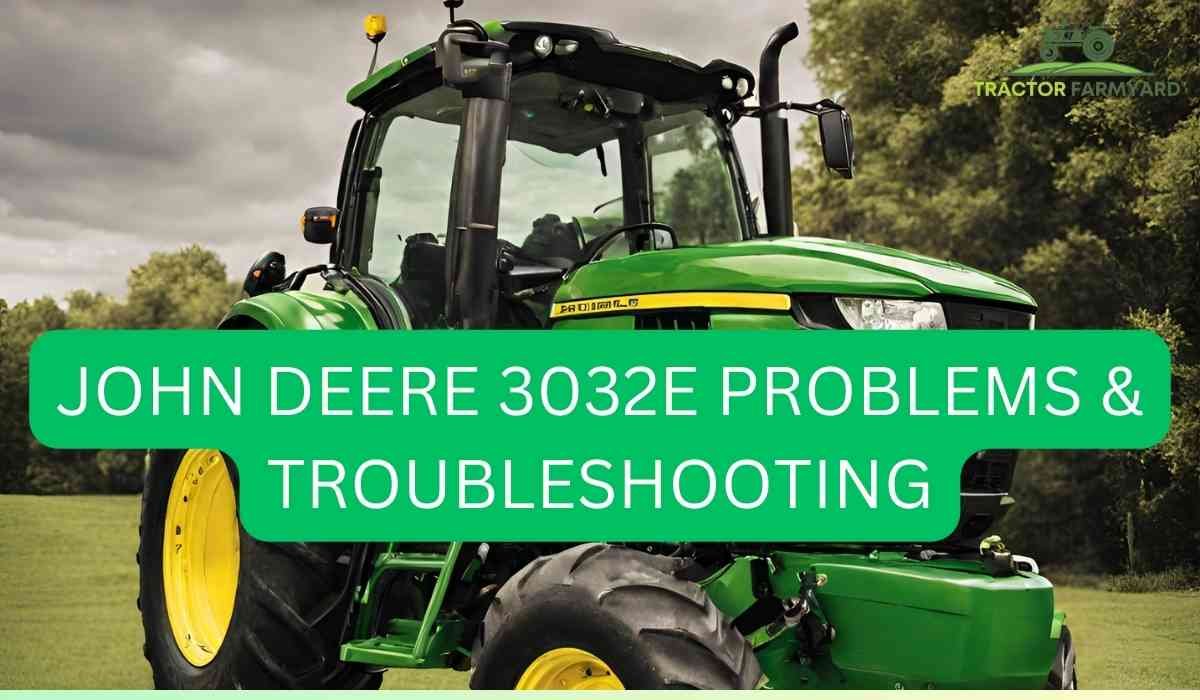
The John Deere 3032E is a popular compact utility tractor, but like any machine, it can have its share of problems. In this paragraph, we will delve into some common issues that owners of the John Deere 3032E may encounter. Keep in mind that regular maintenance and proper care can help prevent many of these problems from occurring or becoming more serious. Let’s explore these problems in more detail.
Engine overheating can be a common issue with the John Deere 3032E tractor. It’s essential to recognize the signs and symptoms to take action quickly. Some common indicators include:
The temperature gauge on the dashboard showing higher-than-normal readings.
Seeing steam or smoke coming from the engine area.
Unusual or strong smells like burning coolant or oil.
Experiencing a loss of engine power or performance.
Warning lights or alarms related to engine temperature.
If you notice any of these signs, it’s crucial to address the problem promptly to avoid further damage to the engine.
Several factors can lead to engine overheating in the John Deere 3032E tractor. These may include:
Insufficient coolant levels: Low coolant levels can result in inadequate engine cooling, leading to overheating.
Radiator blockages: Accumulated dirt, debris, or mineral deposits in the radiator can block airflow, reducing its cooling capacity.
Faulty fan or fan belt: A malfunctioning cooling fan or a loose/damaged fan belt can hinder air circulation, causing overheating.
Neglected maintenance: Failing to perform routine maintenance tasks like changing coolant or cleaning the radiator can contribute to overheating.
Checking Coolant Levels and Radiator for Blockages:
To troubleshoot engine overheating, follow these steps:
Ensure the engine is off and cool before starting.
Open the hood and locate the radiator cap.
Carefully remove the cap to release any pressure.
Check the coolant level. If it’s below the recommended level, add the correct coolant mixture as stated in the manual.
Inspect the radiator for blockages or debris. Use compressed air or a soft brush to clean the radiator fins and remove any obstructions.
Securely close the radiator cap.
Inspecting the Fan and Fan Belt:
A malfunctioning fan or fan belt can affect cooling. Perform these checks:
Inspect the fan blades for damage or bending. Replace the fan if necessary.
Check the tension and condition of the fan belt. It should have the right tension and should not be worn or damaged. Adjust or replace the belt if needed.
Proper Maintenance Practices to Prevent Overheating:
To avoid engine overheating in the future, it’s essential to follow proper maintenance practices, including:
Regularly check and maintain the correct coolant levels.
Periodically clean the radiator to remove debris or blockages.
During routine maintenance, inspect the cooling fan and fan belt, replacing them as needed.
Adhere to the recommended maintenance schedule outlined in the tractor’s manual.
Transmission problems can occur in the John Deere 3032E tractor. Recognizing the signs and symptoms of transmission issues is important for timely resolution. Some common indicators include:
Difficulty shifting gears or gears slipping during operation.
Unusual noises, such as grinding or clunking, when changing gears.
Jerky or uneven movement of the tractor when accelerating or decelerating.
Transmission warning lights or alarms on the dashboard.
If you notice any of these signs, it’s essential to address the problem promptly to prevent further damage to the transmission.
Several factors can contribute to transmission problems in the John Deere 3032E tractor. These may include:
Low transmission fluid levels: Inadequate transmission fluid can result in poor gear lubrication and shifting problems.
Contaminated or degraded transmission fluid: Dirty or old transmission fluid can impair performance.
Damaged or worn transmission components: Parts like clutch plates, gears, or seals may become damaged or worn over time.
Incorrect operation: Improper usage, such as aggressive shifting or overloading, can lead to transmission issues.
Checking Transmission Fluid Levels and Quality:
To troubleshoot transmission issues, follow these steps:
Ensure the tractor is on level ground and the engine is off.
Locate the transmission dipstick or inspection port.
Check the transmission fluid level. If it’s low, add the appropriate transmission fluid specified in the manual.
Examine the condition of the fluid. If it’s dirty or discolored, consider flushing and replacing it according to the manufacturer’s recommendations.
Inspecting Transmission Components:
If the issue persists, it may be necessary to inspect transmission components:
Consult the tractor’s manual for guidance on how to inspect the transmission, clutch, gears, and seals.
If damaged or worn components are found, they may need to be repaired or replaced by a qualified technician.
Proper Operation Practices:
To prevent future transmission problems, follow these operation practices:
Operate the tractor within the manufacturer’s recommended load limits.
Avoid aggressive shifting or abrupt changes in speed.
Use the clutch properly when changing gears.
Regularly inspect and maintain the transmission according to the tractor’s manual.
Hydraulic system leaks can be a concern in the John Deere 3032E tractor. Recognizing the signs and symptoms of hydraulic leaks is crucial for taking timely action. Some common indicators include:
Puddles or drips of hydraulic fluid underneath the tractor.
A noticeable drop in hydraulic fluid levels in the reservoir.
Reduced performance in hydraulic-powered attachments, such as loaders or backhoes.
Unusual noises, like whining or grinding, when using hydraulic functions.
Warning lights or alarms related to hydraulic pressure or fluid levels.
If you observe any of these signs, it’s important to address the issue promptly to prevent damage to the hydraulic system.
Several factors can lead to hydraulic system leaks in the John Deere 3032E tractor. These may include:
Damaged hydraulic hoses: Hoses can become cracked, worn, or punctured over time, leading to leaks.
Faulty hydraulic seals or fittings: Seals and fittings can degrade or fail, allowing fluid to escape.
Loose or improperly tightened connections: Hydraulic connections may come loose or not be properly tightened during maintenance or use.
Locating and Repairing Hydraulic Leaks:
To troubleshoot hydraulic system leaks, follow these steps:
Ensure the tractor is turned off, and the hydraulic system is depressurized.
Inspect underneath the tractor for any visible leaks or signs of hydraulic fluid.
Trace the source of the leak to identify the specific component (hose, seal, fitting) causing the issue.
Depending on the severity of the leak, you may need to replace the damaged component or tighten loose connections.
Use the appropriate replacement parts and follow manufacturer guidelines for repairs.
Preventive Maintenance:
To prevent future hydraulic system leaks, consider the following maintenance practices:
Regularly inspect hydraulic hoses, seals, and fittings for signs of wear or damage during routine maintenance.
Keep the hydraulic fluid at the recommended levels and change it as per the manufacturer’s recommendations.
Ensure all hydraulic connections are properly tightened during maintenance and operation.
Adhere to the recommended maintenance schedule outlined in the tractor’s manual.
Electrical problems can arise in the John Deere 3032E tractor. Identifying the signs and symptoms of electrical issues is essential for taking timely action. Some common indicators include:
Non-functioning lights, such as headlights, taillights, or indicator lights.
Difficulty starting the tractor, including problems with the ignition or starter.
Erratic or malfunctioning gauges and instruments on the dashboard.
Frequent blown fuses or circuit breakers.
Unexpected power loss to accessories or attachments.
If you notice any of these signs, it’s important to address the electrical problem promptly to maintain tractor functionality.
Several factors can contribute to electrical problems in the John Deere 3032E tractor. These may include:
Loose or corroded electrical connections: Poor connections can disrupt electrical flow.
Faulty switches or relays: Malfunctioning switches or relays can prevent proper operation of electrical components.
Worn or damaged wiring: Exposure to the elements or wear and tear can damage wiring, leading to electrical issues.
Battery problems: A weak or dead battery can cause starting and electrical system problems.
Diagnosing and Resolving Electrical Issues:
To troubleshoot electrical problems, follow these steps:
Ensure the tractor is turned off and safe to work on.
Carefully inspect all electrical connections, including wires, terminals, and connectors, for signs of corrosion, damage, or looseness.
Test electrical switches and relays to verify their functionality. Replace any faulty components.
Inspect the condition of the tractor’s wiring harness. Repair or replace damaged sections as necessary.
Test the battery’s voltage and charge. Replace a weak or dead battery if needed.
Check and replace any blown fuses or tripped circuit breakers with the correct rating.
Preventive Maintenance:
To prevent future electrical issues, consider these maintenance practices:
Periodically inspect and clean electrical connections to prevent corrosion.
Protect wiring from potential damage by securing it properly and shielding it from the elements.
Maintain the battery by keeping it charged and ensuring clean, tight connections.
Follow the recommended maintenance schedule outlined in the tractor’s manual.
Fuel system issues can occur in the John Deere 3032E tractor. Recognizing the signs and symptoms of fuel system problems is crucial for taking timely action. Some common indicators include:
Difficulty starting the tractor, especially when it cranks but does not start.
Engine stalling or irregular idling.
Reduced engine power and performance.
Poor fuel efficiency, resulting in increased fuel consumption.
The presence of water or contaminants in the fuel.
If you notice any of these signs, it’s important to address the fuel system problem promptly to ensure proper tractor operation.
Several factors can contribute to fuel system issues in the John Deere 3032E tractor. These may include:
Clogged fuel filters: Dirty or clogged fuel filters can obstruct the flow of clean fuel to the engine.
Water or contaminants in the fuel: Impurities in the fuel can affect engine performance.
Faulty fuel pump: A malfunctioning fuel pump may not deliver an adequate amount of fuel to the engine.
Air leaks in the fuel system: Air leaks can disrupt the fuel supply and cause engine problems.
Incorrect fuel type or quality: Using the wrong fuel type or low-quality fuel can lead to fuel system issues.
Diagnosing and Resolving Fuel System Problems:
To troubleshoot fuel system issues, follow these steps:
Ensure the tractor is turned off and safe to work on.
Inspect and replace clogged or dirty fuel filters. Follow manufacturer recommendations for filter replacement.
Drain any water or contaminants from the fuel system by using the tractor’s water separator or draining the fuel tank.
Test the fuel pump’s functionality and replace it if it’s faulty.
Inspect the fuel lines and connections for any air leaks, repairing or replacing damaged components.
Confirm that you are using the correct fuel type and quality as recommended in the tractor’s manual.
Preventive Maintenance:
To prevent future fuel system problems, consider these maintenance practices:
Regularly replace fuel filters as recommended by the manufacturer.
Use high-quality fuel from reputable sources to minimize contaminants.
Periodically inspect the fuel system for leaks or damage.
Adhere to the recommended maintenance schedule outlined in the tractor’s manual.
Tire and wheel problems can affect the John Deere 3032E tractor’s traction and maneuverability. Recognizing the signs and symptoms of tire and wheel issues is important for timely action. Some common indicators include:
Uneven or excessive tire wear.
Punctured or damaged tires, leading to air loss.
Misaligned wheels, causing steering problems or uneven tire wear.
Reduced traction, especially on uneven or slippery terrain.
Vibration or wobbling while driving.
If you observe any of these signs, it’s crucial to address the tire and wheel problem promptly to maintain safe tractor operation.
Several factors can contribute to tire and wheel problems in the John Deere 3032E tractor. These may include:
Operating on rough or abrasive terrain, leading to tire damage.
Running over sharp objects that puncture tires.
Misalignment due to improper use or maintenance.
Overinflated or underinflated tires, affecting traction and wear.
Diagnosing and Resolving Tire and Wheel Issues:
To troubleshoot tire and wheel problems, follow these steps:
Ensure the tractor is on level ground and the engine is off.
Visually inspect all tires for signs of wear, damage, or punctures. Replace damaged tires as needed.
Check tire pressure and adjust it to the recommended levels specified in the tractor’s manual.
Inspect the wheels for signs of misalignment, such as uneven tire wear. Adjust or realign the wheels as necessary.
Balance the wheels if vibrations or wobbling are present.
Preventive Maintenance:
To prevent future tire and wheel issues, consider these maintenance practices:
Avoid operating the tractor on terrain that may damage tires.
Routinely check tire pressure and maintain it at the recommended levels.
Inspect tires for damage or punctures after each use.
Ensure proper wheel alignment during maintenance and operation.
Adhere to the recommended maintenance schedule outlined in the tractor’s manual.
Neglecting regular maintenance and lubrication practices can lead to various problems in the John Deere 3032E tractor. Recognizing the signs and symptoms of neglect is crucial for addressing these issues. Some common indicators include:
Increased engine noise or knocking sounds.
Decreased engine performance and efficiency.
Excessive smoke from the exhaust.
Unusual vibrations or wobbling during operation.
Accumulation of dirt, debris, or rust on critical components.
Overall reduced tractor reliability and longevity.
If you observe any of these signs, it’s essential to address the issue promptly and implement proper maintenance practices to prevent further problems.
Lubrication and maintenance neglect in the John Deere 3032E tractor can be due to:
Failure to change engine oil and filters at recommended intervals, leading to engine wear.
Lack of regular greasing of key components, resulting in increased friction and wear.
Ignoring scheduled maintenance tasks outlined in the tractor’s manual.
Exposing the tractor to harsh environmental conditions without appropriate protection or cleaning.
Resolving Lubrication and Maintenance Neglect:
To address issues caused by neglecting lubrication and maintenance, follow these steps:
Consult the tractor’s manual to identify missed maintenance tasks or overdue lubrication points.
Perform all overdue maintenance tasks, including changing engine oil and filters, greasing moving parts, and inspecting critical components.
Clean the tractor thoroughly, removing dirt, debris, and rust from exposed surfaces.
Implement a regular maintenance schedule and adhere to it, including oil changes, filter replacements, and greasing intervals.
Store the tractor in a protected environment when not in use to minimize exposure to harsh conditions.
Preventive Maintenance:
To prevent future issues stemming from lubrication and maintenance neglect, consider these maintenance practices:
Maintain a detailed maintenance log to track all service tasks and intervals.
Establish a routine for greasing and cleaning the tractor after each use.
Follow the recommended maintenance schedule provided in the tractor’s manual.
Store the tractor in a sheltered area or use protective covers to shield it from the elements.
Starting problems can affect the John Deere 3032E tractor, making it difficult to begin operations. Identifying the signs and symptoms of starting issues is vital for taking prompt action. Some common indicators include:
The engine cranking but failing to start.
Delayed or slow engine turnover when attempting to start.
Clicking sounds when turning the ignition key.
The need to repeatedly turn the key to get the engine running.
Intermittent or inconsistent starting behavior.
If you encounter any of these signs, it’s important to address the starting issue promptly to ensure reliable tractor operation.
Several factors can contribute to starting problems in the John Deere 3032E tractor. These may include:
Weak or dead battery: A depleted or faulty battery can hinder the starting process.
Faulty starter motor or solenoid: A malfunctioning starter motor or solenoid may not engage the engine properly.
Ignition system problems: Issues with ignition components, such as spark plugs or ignition switches, can affect starting.
Fuel system issues: Problems in the fuel system can lead to insufficient fuel delivery during startup.
Resolving Starting Issues:
To troubleshoot and resolve starting problems, follow these steps:
Ensure the tractor is in a safe and secure location with the transmission in neutral and the parking brake engaged.
Check the battery’s voltage with a multimeter. If it’s weak or dead, recharge or replace the battery.
Examine the starter motor and solenoid for signs of damage or wear. Replace them if necessary.
Inspect the ignition system, including spark plugs, ignition wires, and switches, for problems and replace any faulty components.
Verify that there is an adequate supply of fuel and check the fuel system for any issues.
Preventive Maintenance:
To prevent future starting issues, consider these maintenance practices:
Maintain the battery by keeping it charged and cleaning its terminals regularly.
Periodically inspect the starter motor and solenoid for signs of wear or damage.
Follow the recommended maintenance schedule outlined in the tractor’s manual for the ignition system and fuel system.
Store the tractor in a sheltered area or use a battery maintainer during periods of inactivity.
To prevent these problems, follow the manufacturer’s recommended maintenance schedule, perform regular inspections, and operate the tractor within specified limits. Proper storage and care can also help avoid issues.
Some minor issues, like checking fluid levels or cleaning components, can be done by tractor owners. However, for more complex problems or if you’re unsure, it’s best to consult a qualified technician or the tractor’s manual.
Maintenance frequency varies depending on usage and operating conditions. Refer to the tractor’s manual for specific maintenance intervals and tasks.
If you encounter a problem not covered in this guide, consult the tractor’s manual for troubleshooting steps or seek assistance from a certified John Deere technician.
Maintaining and troubleshooting common problems in your John Deere 3032E tractor is essential to ensure its reliable performance and longevity. By identifying the signs and symptoms of issues like engine overheating, transmission problems, hydraulic system leaks, electrical issues, fuel system problems, tire and wheel issues, lubrication and maintenance neglect, and starting issues, you can take prompt action to address them.
Regular maintenance, proper care, and adherence to manufacturer guidelines are key to preventing many of these problems. Whether it’s checking fluid levels, replacing damaged components, or following a maintenance schedule, taking proactive steps can keep your John Deere 3032E tractor running smoothly and efficiently for years to come.