Physical Address
304 North Cardinal St.
Dorchester Center, MA 02124
Physical Address
304 North Cardinal St.
Dorchester Center, MA 02124
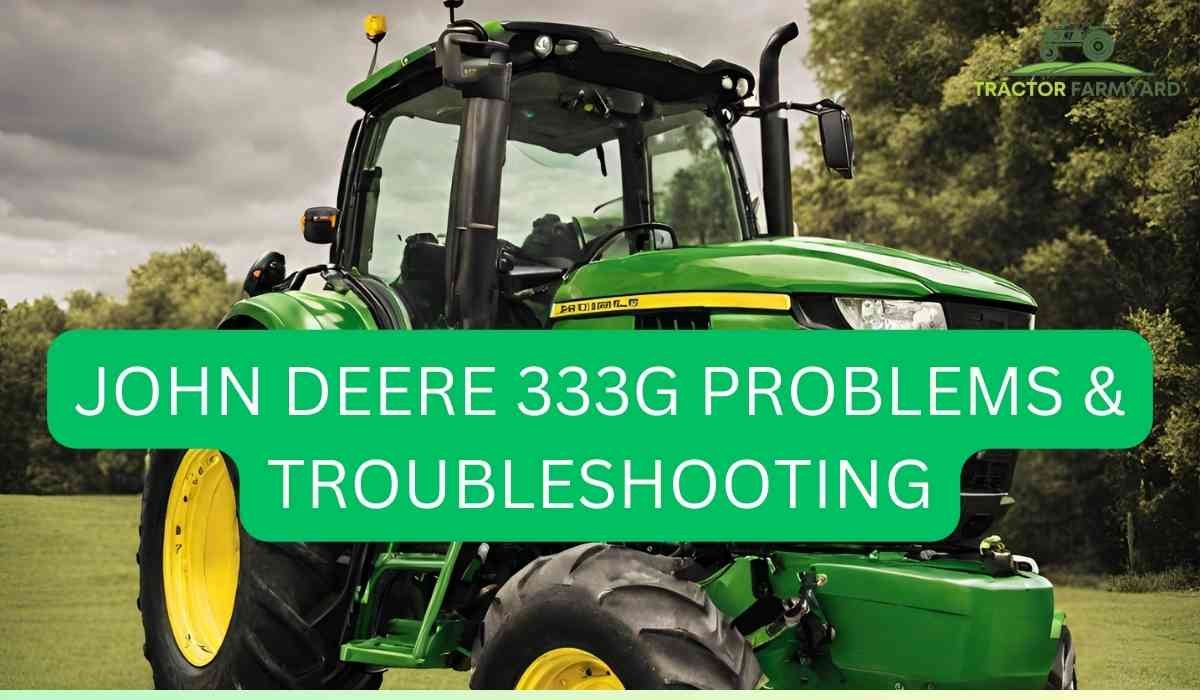
The John Deere 333G is a rugged and versatile compact track loader used in various agricultural and construction applications. While it boasts impressive capabilities, like any piece of heavy machinery, it is not immune to problems and challenges that can arise during its operation. In this article, we will delve into some of the common issues that users may encounter with the John Deere 333G. By understanding these problems and their potential solutions, operators and owners can ensure that their equipment remains in optimal working condition, minimizing downtime and maximizing productivity.
Hydraulic system leaks are a common issue in the John Deere 333G compact track loader. Detecting the signs and symptoms of hydraulic leaks is essential for timely intervention. Key indicators include:
Visible Fluid Leaks: Look for puddles or drips of hydraulic fluid underneath the loader.
Reduced Performance: Noticeable decrease in hydraulic system performance, such as slower movements or weaker lifting capacity.
Unusual Noises: The hydraulic system may produce unusual noises like whining or hissing.
Low Hydraulic Fluid Levels: Check the hydraulic fluid reservoir for lower-than-normal levels.
Warning Lights or Alarms: Some models may have warning lights or alarms indicating hydraulic issues.
If any of these signs are observed, immediate action is necessary to prevent further damage to the hydraulic system.
Several factors can contribute to hydraulic system leaks in the John Deere 333G:
Damaged Hoses: Wear and tear or physical damage to hydraulic hoses can lead to leaks.
Faulty Seals or O-rings: Deterioration of seals or O-rings in hydraulic connections can cause leaks.
Loose or Improperly Tightened Fittings: Inadequately secured hydraulic fittings may result in leaks.
Excessive Pressure: Overloading the hydraulic system beyond its capacity can stress components and cause leaks.
Contaminated Fluid: Dirt or debris in the hydraulic fluid can damage seals and contribute to leaks.
Solutions and Troubleshooting Steps
Inspect the hydraulic system carefully to pinpoint the source of the leak.
Pay close attention to hoses, connections, and hydraulic components.
Replace any damaged hydraulic hoses or seals found during inspection.
Ensure proper installation and tightness of connections.
Flush and clean the hydraulic system to remove contaminants that may contribute to leaks.
Use approved hydraulic fluid and filters.
Regularly check hydraulic fluid levels and top up as needed with the recommended fluid.
If the issue persists or is beyond your expertise, seek professional assistance from a certified John Deere technician.
Preventive Maintenance Practices
To prevent hydraulic system leaks in the future:
Regular Inspections: Routinely inspect the hydraulic system for signs of wear or damage.
Scheduled Maintenance: Adhere to the manufacturer’s recommended maintenance schedule.
Proper Fluid Management: Use the correct hydraulic fluid and ensure it remains clean and free from contaminants.
Operator Training: Train operators to use the equipment within its specified capacity to avoid undue stress on the hydraulic system.
Engine overheating is a concern that can affect the John Deere 333G. Recognizing the signs and symptoms of engine overheating is vital for timely action. Common indicators include:
Elevated Temperature Gauge: The temperature gauge on the control panel may display higher-than-normal readings.
Visible Steam or Smoke: Steam or smoke emitting from the engine compartment is a clear sign of overheating.
Unusual Smells: Detect unusual or strong odors, such as burning coolant or oil.
Loss of Power: Experience a noticeable decrease in engine power and performance.
Warning Lights or Alarms: Some models feature warning lights or alarms related to engine temperature.
Promptly addressing these signs can prevent further engine damage.
Several factors can contribute to engine overheating in the John Deere 333G:
Low Coolant Levels: Inadequate coolant levels can lead to insufficient engine cooling, resulting in overheating.
Radiator Obstructions: Accumulation of debris, dirt, or mineral deposits in the radiator can restrict airflow, reducing cooling capacity.
Malfunctioning Fan or Fan Belt: A faulty cooling fan or a loose/damaged fan belt can hinder air circulation, leading to overheating.
Neglected Maintenance: Failing to perform routine tasks like changing coolant or cleaning the radiator can contribute to overheating.
Solutions and Troubleshooting Steps
Ensure the engine is off and cool before proceeding.
Locate the radiator cap under the hood.
Carefully remove the cap to release any pressure.
Verify the coolant level; if it’s below the recommended level, add the specified coolant mixture from the operator’s manual.
Inspect the radiator for clogs or debris; use compressed air or a soft brush to clean the radiator fins and remove obstructions.
Securely replace the radiator cap.
Examine the fan blades for damage or bending; replace if necessary.
Check the tension and condition of the fan belt; ensure it has the correct tension and is not worn or damaged. Replace as needed.
To prevent future overheating, follow these maintenance practices:
Regularly check and maintain proper coolant levels.
Periodically clean the radiator, removing debris or obstructions.
Inspect the cooling fan and fan belt during routine maintenance and replace them as needed.
Adhere to the recommended maintenance schedule outlined in the operator’s manual.
Electrical system failures can disrupt the operation of the John Deere 333G. Recognizing the signs and symptoms of electrical issues is crucial for timely resolution. Common indicators include:
Warning Lights: Illumination of warning lights on the control panel related to electrical functions.
Erratic Instrument Readings: Inaccurate readings or erratic behavior of instruments and gauges.
Loss of Control: Difficulty or loss of control over loader functions, such as movement or attachment operation.
Unresponsive Controls: Controls becoming unresponsive or intermittent.
Blown Fuses: Frequent blowing of fuses or circuit breakers.
Identifying these signs is essential to address electrical problems promptly.
Several factors can contribute to electrical system failures in the John Deere 333G:
Sensor Malfunctions: Malfunctioning sensors can provide incorrect data to the control system, causing errors.
Wiring Issues: Damaged or frayed wiring can disrupt electrical connections and communication.
Faulty Control Panel: Issues with the control panel can impact the overall operation of the loader.
Battery Problems: Weak or dead batteries can lead to electrical failures.
Corrosion: Corrosion on electrical connections can hinder conductivity.
Solutions and Troubleshooting Steps
Carefully inspect the electrical system to pinpoint the source of the issue.
Pay attention to wiring, sensors, control panel, and battery connections.
Replace malfunctioning sensors or damaged wiring that are identified during inspection.
Ensure proper installation and secure connections.
Test the control panel for functionality; replace it if it’s found to be faulty.
Ensure all switches and buttons are working correctly.
Test the batteries to ensure they have a sufficient charge.
Replace weak or dead batteries.
Clean any corrosion on electrical connections using an appropriate cleaner or anti-corrosion treatment.
Preventive Maintenance Practices
To prevent future electrical system failures:
Regular Inspections: Routinely inspect the electrical system for signs of wear, damage, or corrosion.
Scheduled Maintenance: Adhere to the manufacturer’s recommended maintenance schedule.
Battery Maintenance: Keep batteries charged and in good condition.
Proper Storage: Store the loader in a dry and secure location to prevent exposure to the elements.
Track tension problems can affect the stability and maneuverability of the John Deere 333G. Recognizing the signs and symptoms of track tension issues is essential for proper operation. Common indicators include:
Uneven Track Wear: Uneven wear on the tracks, such as one side wearing faster than the other.
Excessive Slack: Visible slack or sag in the tracks, which can lead to instability.
Track Misalignment: Tracks not running parallel to each other, causing difficulty in steering.
Unusual Noises: Hearing clanking or rattling sounds when operating due to loose tracks.
Reduced Traction: Reduced traction and control when moving on uneven terrain.
Detecting these signs is crucial for addressing track tension problems promptly.
Several factors can contribute to track tension problems in the John Deere 333G:
Incorrect Tension Adjustment: Improperly adjusted track tension, either too loose or too tight.
Worn or Damaged Components: Components within the undercarriage, such as sprockets, rollers, or idlers, showing signs of wear or damage.
Neglected Maintenance: Failing to perform routine undercarriage maintenance, such as track tension adjustment and inspection.
Operating on Harsh Terrain: Extended operation on rough or abrasive terrain can accelerate track wear and tension issues.
Solutions and Troubleshooting Steps
Examine the tracks for proper tension; they should be neither too loose nor too tight.
Adjust the track tension according to the manufacturer’s specifications.
Examine sprockets, rollers, idlers, and track links for signs of wear or damage.
Replace any worn or damaged components as necessary.
Adhere to the recommended maintenance schedule for undercarriage components.
Regularly inspect and adjust track tension as needed.
Avoid prolonged operation on harsh terrain that can accelerate track wear.
Preventive Maintenance Practices
To prevent future track tension problems:
Regular Inspections: Routinely inspect track tension and undercarriage components for wear and damage.
Scheduled Maintenance: Follow the manufacturer’s recommended maintenance schedule.
Proper Operation: Operate the loader within its specified capacity and avoid excessive stress on the undercarriage.
Fuel system problems can lead to engine performance issues in the John Deere 333G. Identifying the signs and symptoms of fuel system issues is crucial for efficient operation. Common indicators include:
Engine Stalling: The engine may stall unexpectedly during operation.
Reduced Power: Noticeable loss of engine power and performance.
Difficulty Starting: Difficulty in starting the engine, especially in cold conditions.
Unusual Engine Noises: Hearing unusual noises from the engine, such as knocking or misfiring.
Warning Lights: Illumination of warning lights on the control panel related to fuel or engine issues.
Detecting these signs promptly is essential to address fuel system problems effectively.
Several factors can contribute to fuel system issues in the John Deere 333G:
Contaminated Fuel: Use of contaminated or low-quality fuel can lead to fuel system problems.
Clogged Fuel Filters: Accumulation of dirt or debris in the fuel filters can restrict fuel flow.
Faulty Fuel Injectors: Malfunctioning fuel injectors can lead to poor fuel atomization and combustion.
Air in the Fuel System: Air entering the fuel system can disrupt fuel delivery.
Neglected Fuel System Maintenance: Failing to perform routine fuel system maintenance, such as filter replacement or water drainage.
Solutions and Troubleshooting Steps
Ensure that you are using high-quality, clean fuel recommended by the manufacturer.
Drain and replace fuel if contamination is suspected.
Examine and replace fuel filters if they are clogged or due for replacement according to the maintenance schedule.
Test and clean or replace fuel injectors if they are found to be faulty.
If air in the fuel system is suspected, bleed the system following the manufacturer’s instructions.
Adhere to the recommended maintenance schedule for fuel system components.
Preventive Maintenance Practices
To prevent future fuel system issues:
Fuel Quality: Use only high-quality fuel from reputable sources.
Regular Fuel Filter Replacement: Follow the maintenance schedule for fuel filter replacement.
Drain Water Separators: If your loader is equipped with a water separator, drain it periodically to remove any accumulated water.
Undercarriage wear is a common issue that can affect the John Deere 333G. Detecting the signs and symptoms of undercarriage wear is essential for maintaining optimal track loader performance. Common indicators include:
Uneven Track Wear: Tracks exhibiting uneven wear patterns, with one side wearing faster than the other.
Excessive Noise: Increased noise during operation due to worn sprockets, rollers, or idlers.
Reduced Traction: Decreased traction and stability when moving on uneven terrain.
Track Misalignment: Tracks not running parallel to each other, leading to steering difficulties.
Visible Wear on Components: Visual inspection reveals worn or damaged sprockets, rollers, or idlers.
Identifying these signs is crucial for addressing undercarriage wear promptly.
Several factors can contribute to undercarriage wear in the John Deere 333G:
Operating Conditions: Extended operation on abrasive or harsh terrain can accelerate undercarriage component wear.
Neglected Maintenance: Failing to perform routine undercarriage maintenance, such as track tension adjustment and inspection.
Overloading: Frequently exceeding the loader’s rated capacity can stress undercarriage components and lead to wear.
Lack of Lubrication: Insufficient lubrication of undercarriage components can increase friction and wear.
Solutions and Troubleshooting Steps
Examine sprockets, rollers, idlers, and track links for signs of wear or damage.
Replace any worn or damaged components as necessary.
Ensure that track tension is correctly adjusted as per the manufacturer’s specifications.
Avoid both over-tightening and excessive slack.
Adhere to the recommended maintenance schedule for undercarriage components.
Regularly inspect and adjust track tension during routine maintenance.
Avoid prolonged operation on abrasive or rough terrain that can accelerate undercarriage wear.
Preventive Maintenance Practices
To prevent future undercarriage wear:
Regular Inspections: Routinely inspect undercarriage components for signs of wear, damage, or misalignment.
Scheduled Maintenance: Follow the manufacturer’s recommended maintenance schedule for undercarriage components.
Proper Operation: Operate the loader within its specified capacity and avoid excessive stress on the undercarriage.
Joystick control problems can hinder the precision and ease of operation of the John Deere 333G. Identifying the signs and symptoms of joystick control issues is crucial for efficient use. Common indicators include:
Joystick Drift: The loader’s movements drifting or not holding their intended position.
Calibration Errors: Inaccurate response of the joystick controls, leading to difficulty in maneuvering.
Unresponsive Controls: Joystick controls becoming unresponsive or intermittently failing to register commands.
Erratic Movements: Sudden and unexpected movements or functions triggered by joystick inputs.
Loss of Fine Control: Difficulty in achieving fine and precise movements.
Promptly recognizing these signs is essential for addressing joystick control problems.
Several factors can contribute to joystick control problems in the John Deere 333G:
Calibration Issues: Incorrect calibration of the joystick controls can lead to erratic behavior.
Wear and Tear: Extensive use can result in wear and tear of joystick components, affecting their performance.
Electrical or Sensor Malfunctions: Malfunctions in sensors or electrical components associated with the joysticks can cause control problems.
Loose Connections: Loose or damaged electrical connections can disrupt the communication between the joysticks and the control system.
Solutions and Troubleshooting Steps
Ensure that the joystick controls are correctly calibrated according to the manufacturer’s instructions.
Recalibrate the controls if necessary.
Examine the physical condition of the joystick components for wear or damage.
Replace worn or damaged components as needed.
Check for loose or damaged electrical connections related to the joystick controls.
Repair or replace any faulty connections.
Inspect sensors and electrical components associated with the joysticks for malfunctions.
Replace malfunctioning components if identified.
If the issue persists or if it involves complex electrical diagnostics, seek professional assistance from a certified John Deere technician.
Preventive Maintenance Practices
To prevent future joystick control problems:
Regular Inspections: Routinely inspect joystick components for signs of wear or damage.
Scheduled Maintenance: Follow the manufacturer’s recommended maintenance schedule for electrical components.
Operator Training: Train operators to use the joysticks correctly and gently to avoid excessive wear.
If you detect a hydraulic system leak, it’s essential to identify the source and address it promptly. Inspect hoses, connections, and hydraulic components for damage, and repair or replace the affected parts as needed.
To prevent engine overheating, regularly check coolant levels, clean the radiator, inspect the fan and fan belt, and adhere to recommended maintenance practices outlined in the operator’s manual.
Electrical system failures can be caused by issues such as sensor malfunctions, damaged wiring, faulty control panels, or loose connections. Regular inspections and proper maintenance can help prevent these problems.
To address track tension problems, ensure proper tension adjustment, inspect undercarriage components for wear or damage, and perform routine maintenance. Avoid prolonged operation on harsh terrain to prevent excessive wear.
If you suspect fuel system issues, check the quality of the fuel, inspect and replace fuel filters if necessary, test fuel injectors, and ensure proper maintenance practices to prevent contamination or clogs.
The John Deere 333G compact track loader is a versatile and powerful piece of machinery used in various applications. However, like any equipment, it can encounter a range of issues over time. It’s crucial for owners and operators to stay vigilant and proactive in addressing these problems to minimize downtime and maintain peak performance.
Regular inspections, routine maintenance, and adherence to manufacturer-recommended practices are key to preventing and resolving common problems such as hydraulic system leaks, engine overheating, electrical system failures, track tension issues, fuel system problems, undercarriage wear, joystick control problems, and software and firmware issues.